22 October 2026 · 3 min read
Stage inspections and the QBCC Standards and Tolerances Guide
Builders must meet the guide when fixing work, but not all defects are a breach.
We check the membrane while it is a sheet on the ground, not tiles on the floor.
One of our inspectors will call you back.
If it is urgent, email [email protected]
Fully licensed & accredited
 Queensland Building & Construction Commission
 Australian Society of Building Consultants
 Strata Community Association
 Building Dispute Practitioners Society
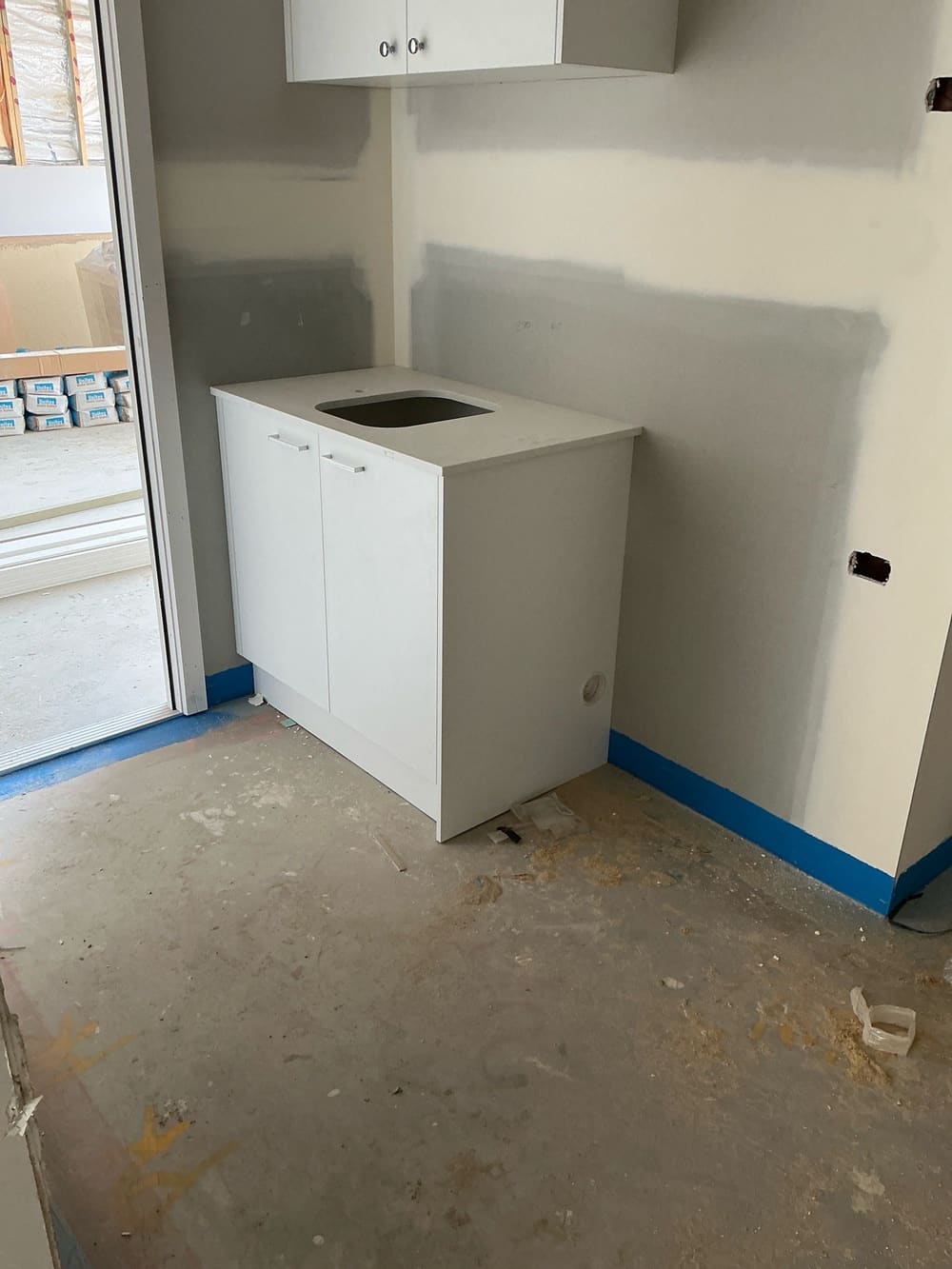
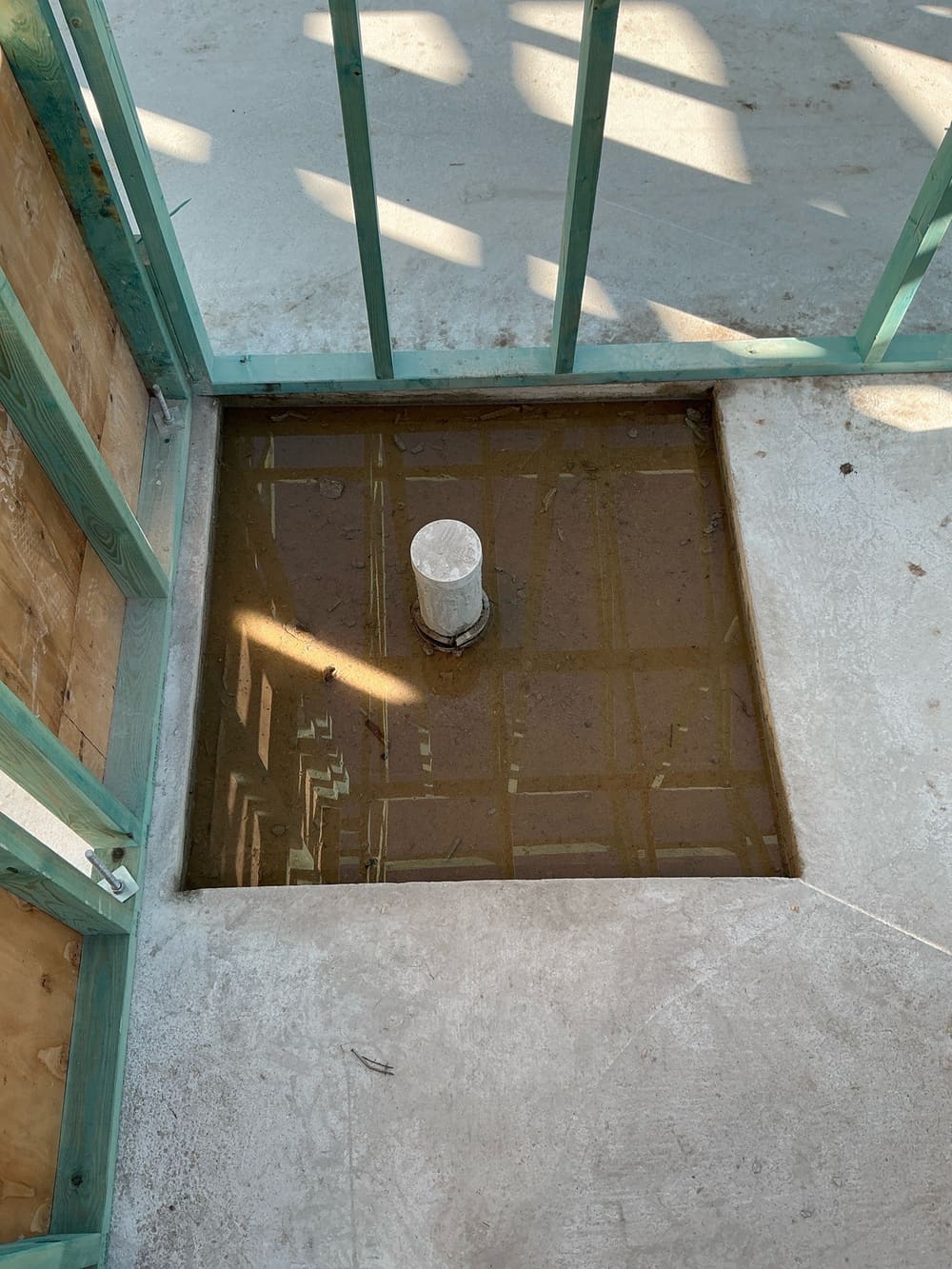
Leaks ruin a home in Greenbank just as they do anywhere else. We see a lot of pinholes in showers, at hob bases, in niches and at entry points. A tiny split in the waterproof barrier appears as a pinhead-sized opening. It is easy to miss with the naked eye but it lets water through to the timber below. We also see puddle flanges left unsealed, screed that does not fall to the waste, and terminations stopped short of the required height. These are the mistakes that lead to leaks after the handover inspection.
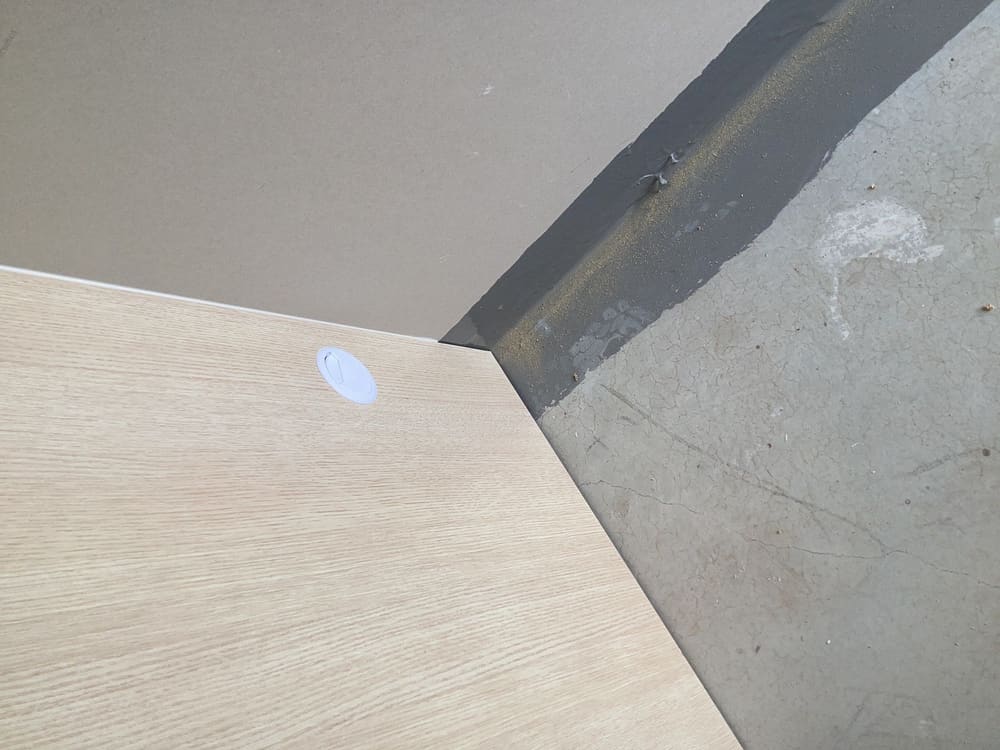
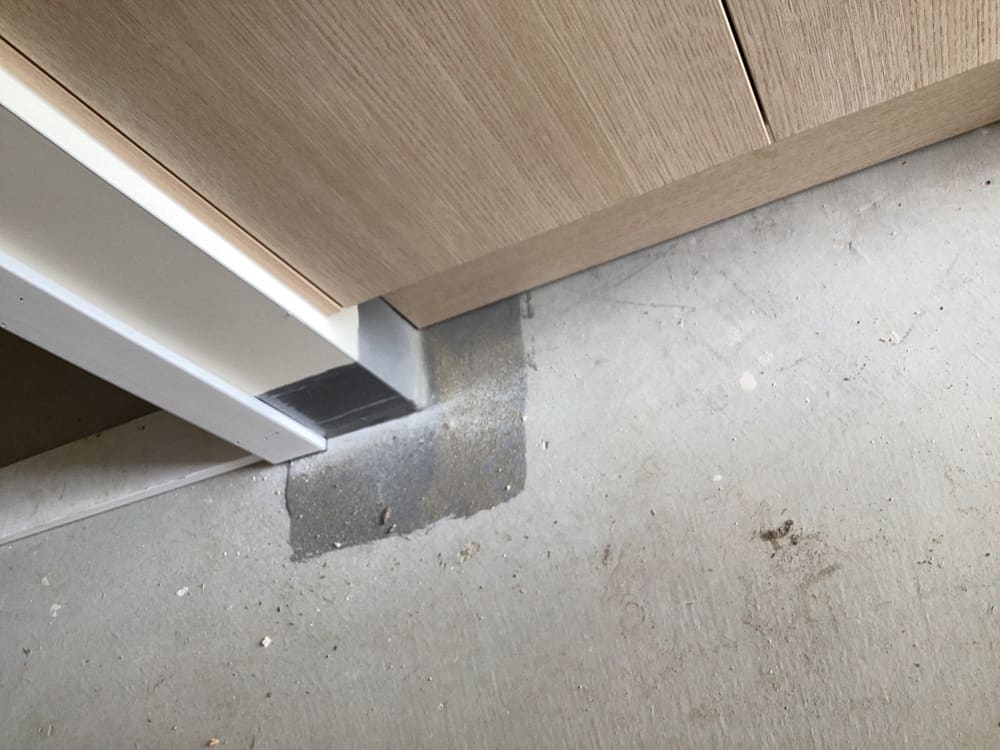
Annotated findings from Waterproofing inspections.
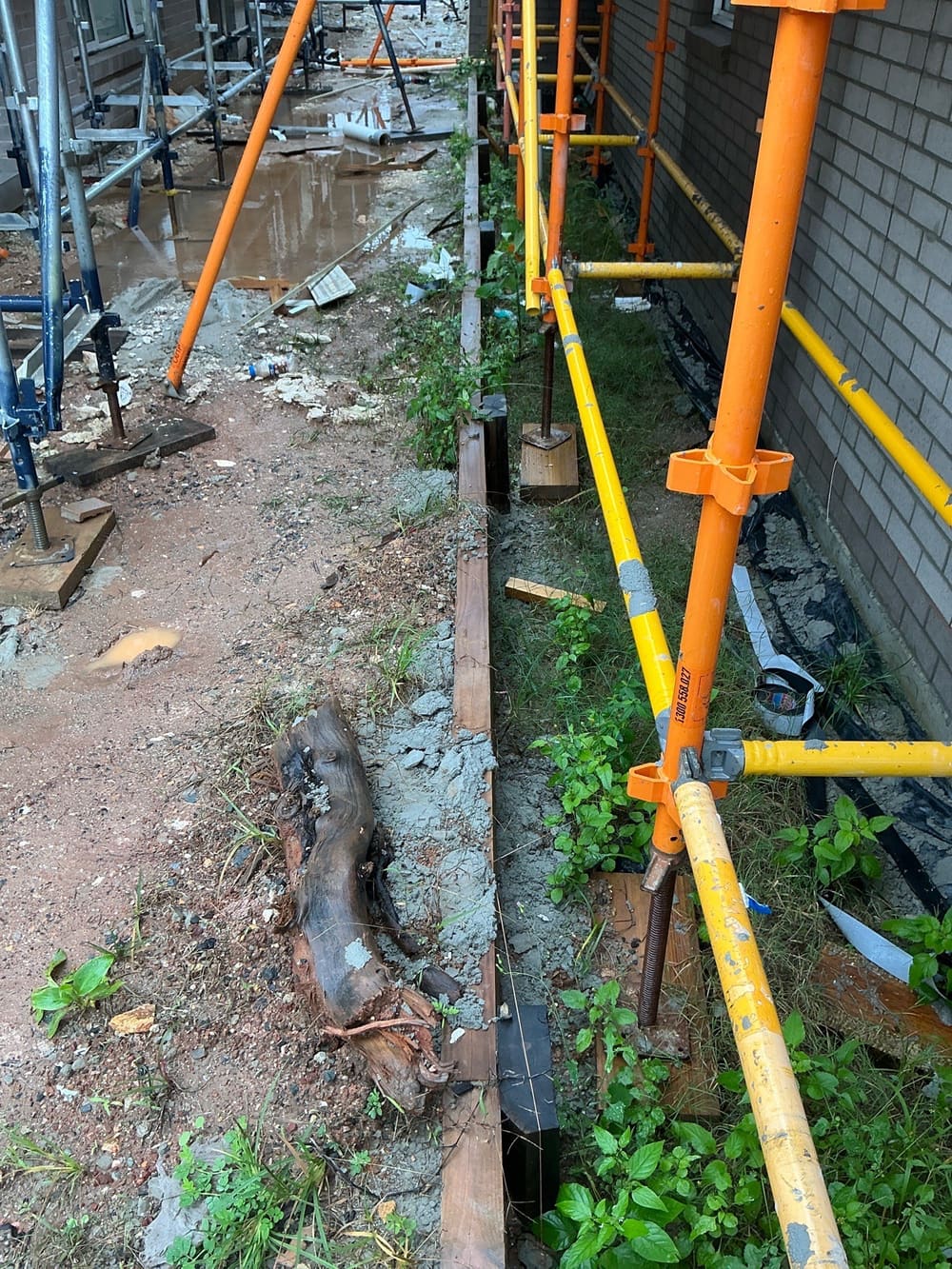
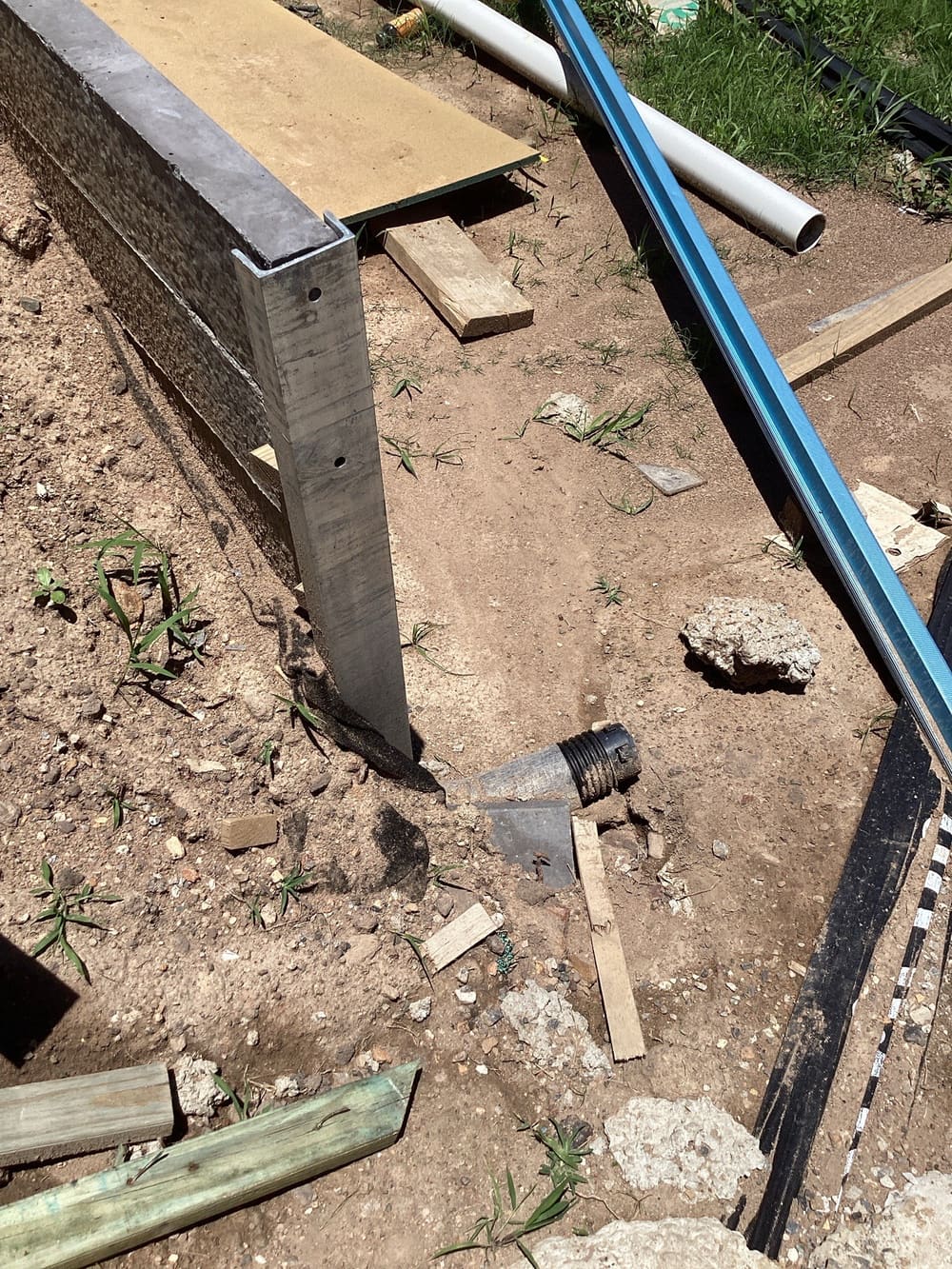
 1Bored piersOnce the holes are dug, before the concrete pour
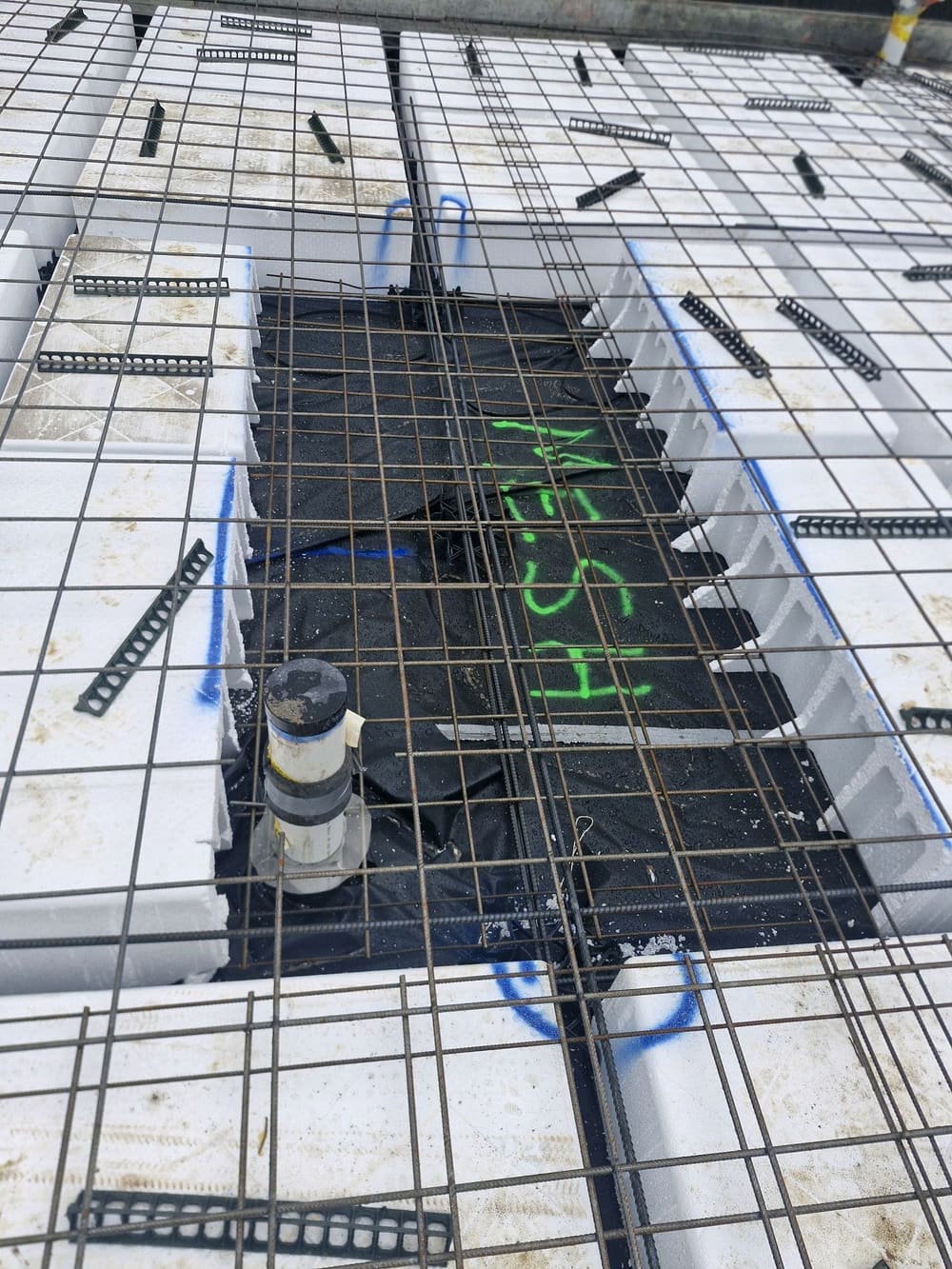
 2Slab pre-pourBefore the concrete arrives, once the mesh is laid
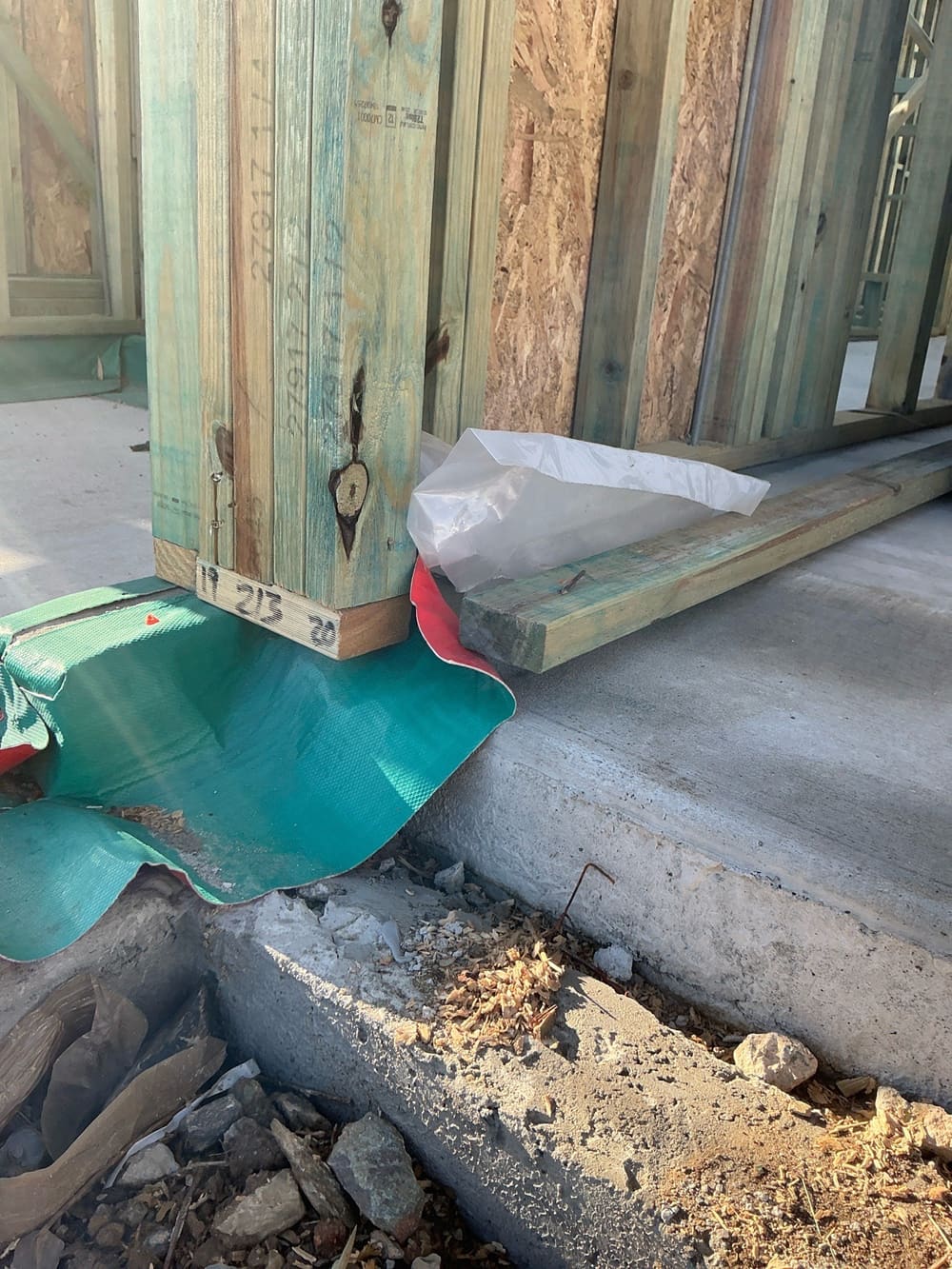
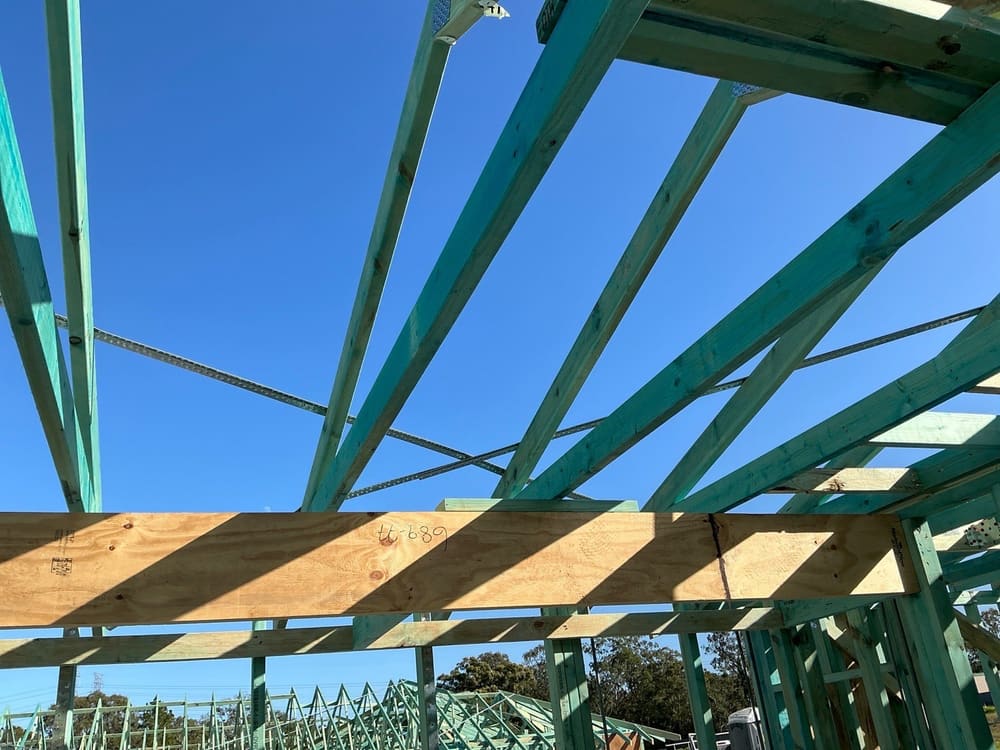 3FrameFrame and trusses standing, roof sheeted, before linings
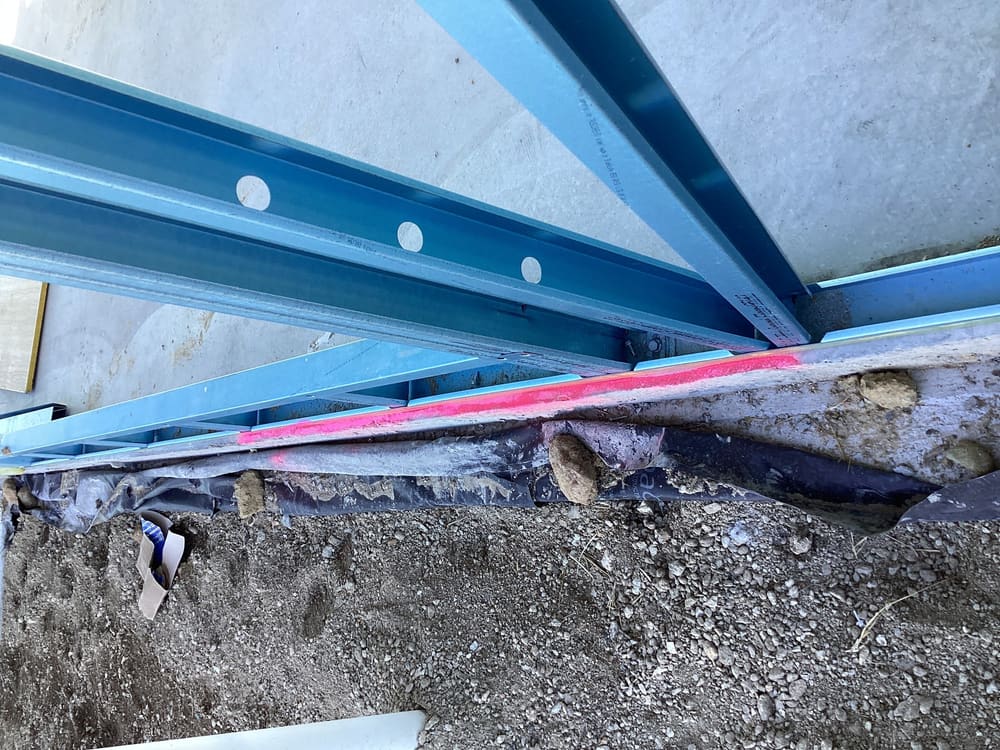
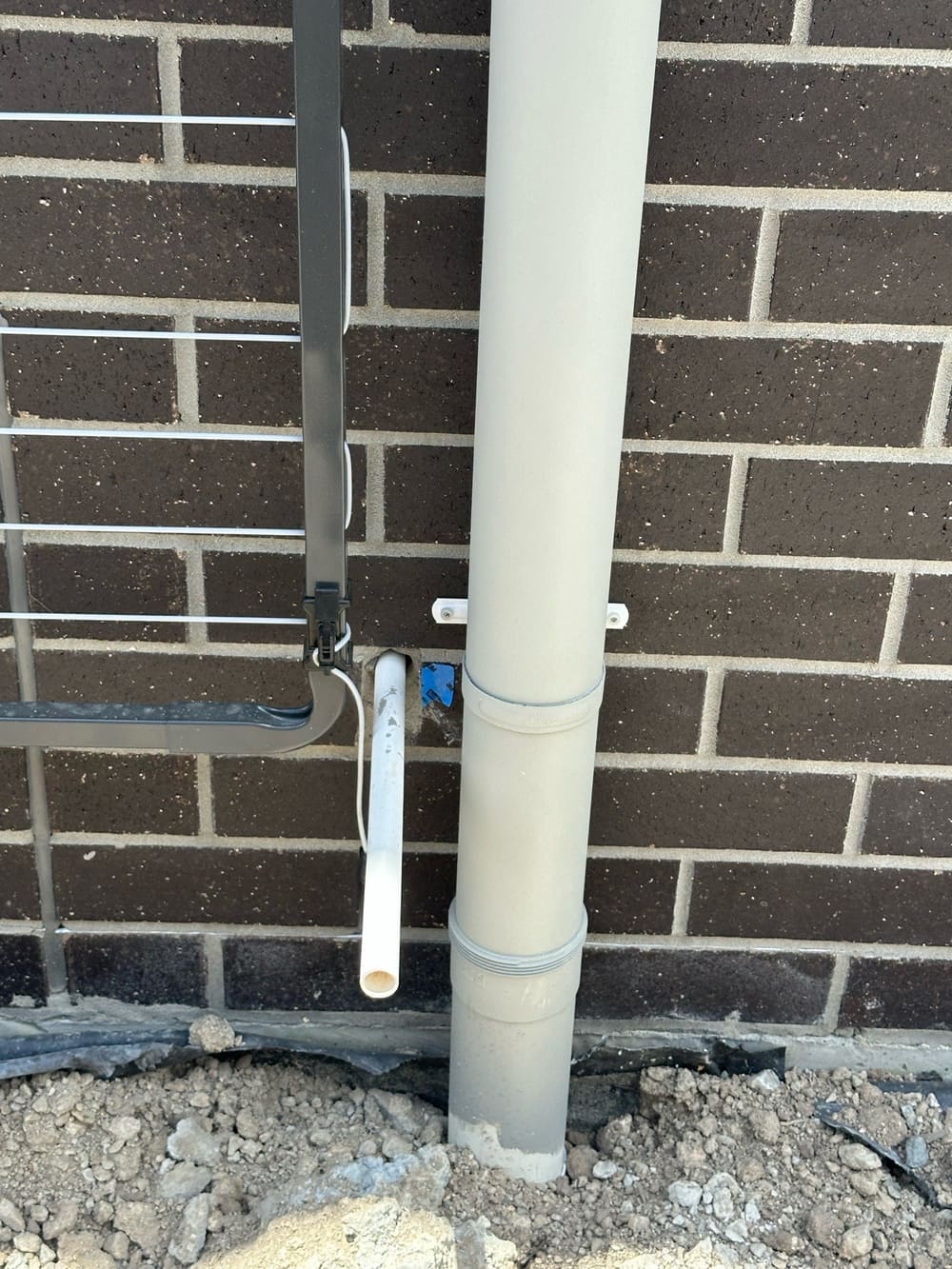 4Lock-up (pre-plaster)Cladding, windows and rough-in complete, before plaster
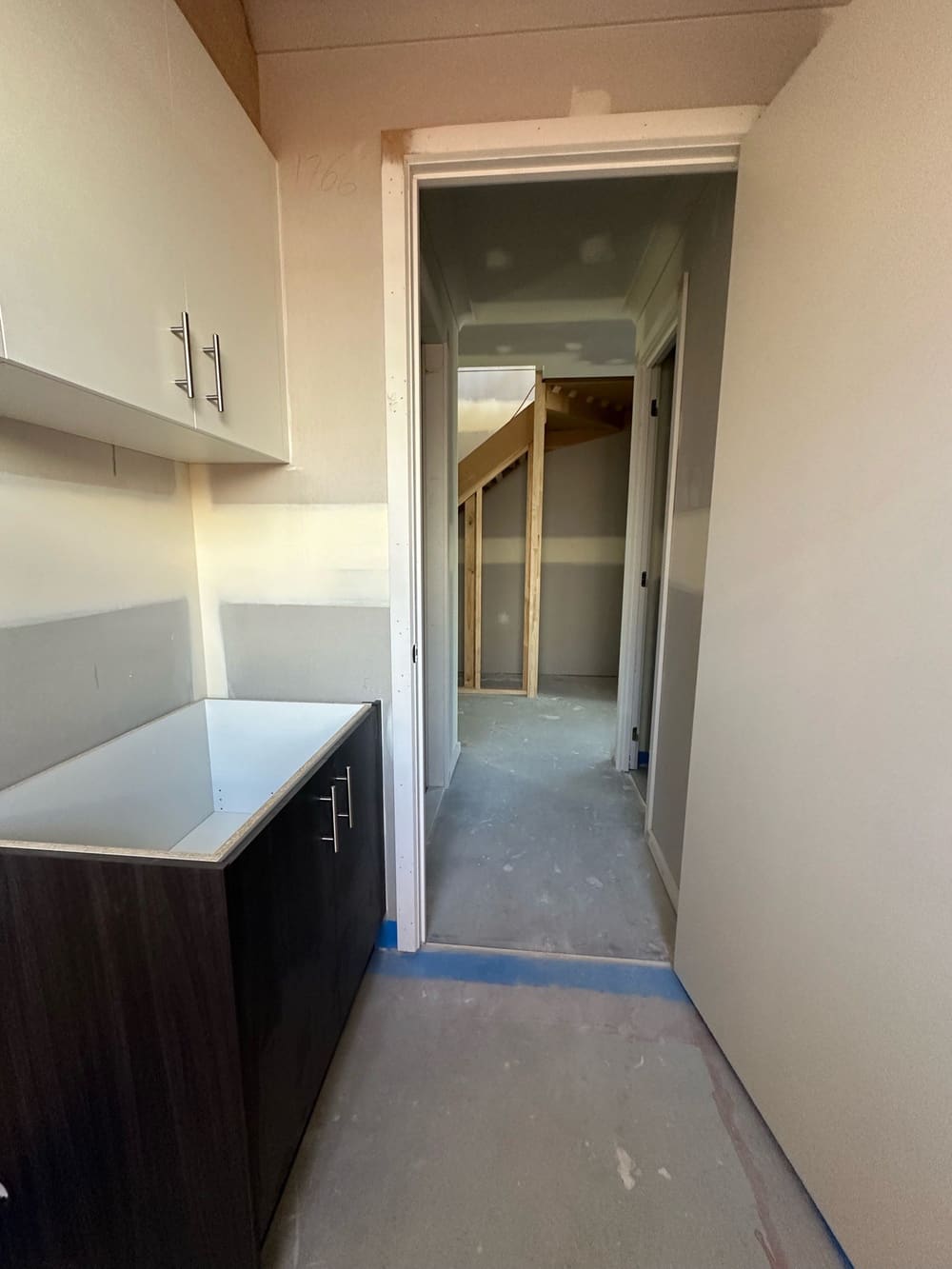 5FixingJoinery, doors and trims are checked before painting begins.
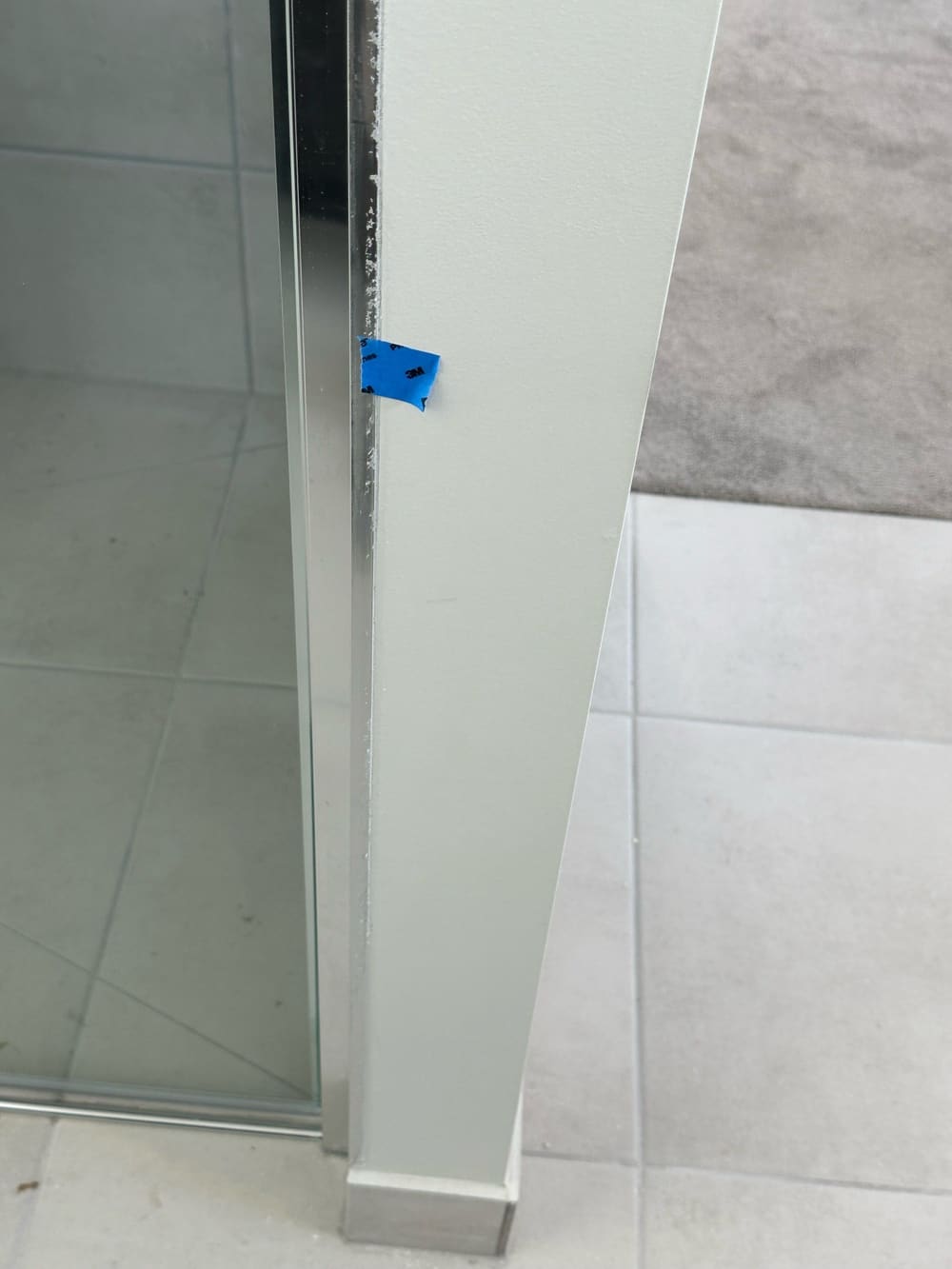 7Pre-handover (PCI)Book a final inspection before handover
22 October 2026 · 3 min read
Builders must meet the guide when fixing work, but not all defects are a breach.
3 October 2026 · 3 min read
A pre-purchase inspection finds the major defects a standard building inspection can miss.
14 September 2026 · 3 min read
The Greenbank real estate market shows high values and steady growth for home buyers.
Instant online pricing for Greenbank, or contact the booking team.
A tiny hole in the membrane, about the size of a pen tip. It is usually caused by a small bubble in the coating or dirt trapped under the sheet.
We look at the membrane with a light source and run our hand over it to feel for changes in texture. We check the whole area, not just what we can see without help.
At a joint where two parts of the floor meet, the membrane needs to stretch. A bond breaker stops the membrane from being glued to both surfaces, which stops it from tearing at the joint.
The Australian Standard AS 3740 applies to waterproofing of domestic wet areas. This is read with the NCC and the QBCC Standards and Tolerances Guide.
No. A flood test is a different process we do not perform. We rely on a close visual inspection and a tactile check to identify the issues listed here.
We can only inspect the areas that are still exposed and uncovered. We will list the specific failures we find and note which sections were inaccessible.